

How Technical SEO Audits Work in 2026
Vera
0
37
05.19 16:00
Why Technical SEO Audits Matter
Technical audits matter because they directly affect organic visibility, site performance, and conversion potential; unresolved technical debt often causes traffic loss even when content quality is high. According to a 2025 study by BrightEdge, 58% of organic traffic declines were linked to technical issues such as misconfigured canonical tags and broken indexation. In addition, search engines now use page experience and structured data signals more heavily, so audits protect both crawl efficiency and SERP feature eligibility. As a result, organizations that invest in regular audits reduce downtime, preserve link equity, and improve long-term crawl budgets.
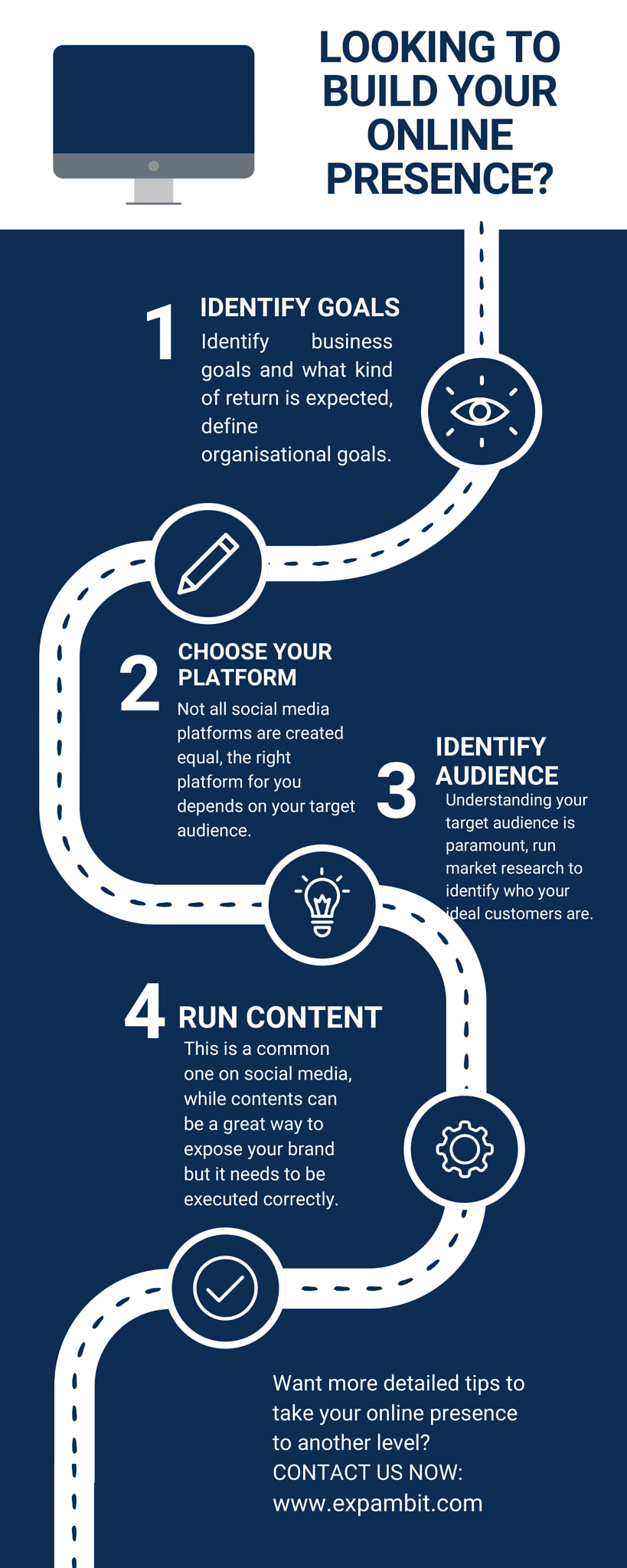 A custom web development feature is a purpose-built capability in a web application tailored to an organization's workflow and systems. These features can be custom dashboards, bespoke connectors to CRM systems like Salesforce or HubSpot, conditional forms, or role-specific tooling. They differ from off-the-shelf modules by addressing unique process bottlenecks, often sitting on stacks like React, Node.js, PostgreSQL, and AWS. In addition, proper engineering patterns—RESTful APIs, GraphQL endpoints, and robust authentication—ensure these features are maintainable and secure.
Data Modeling and Data Warehousing
Clean data models and a central warehouse enable efficient reporting and reduce manual reconciliation between systems. Tools like Snowflake or BigQuery paired with ETL frameworks simplify metrics access for staff who need reliable numbers quickly.
According to a 2024 BrightEdge report, organic search accounted for roughly 53% of all website traffic across industries, and a 2023 HubSpot State of Marketing survey found that 64% of marketers identified SEO as their top-performing inbound channel for lead quality. These figures show why leadership allocates budget to long-term content and technical investments rather than short-lived ad spend.
Paid Search and SEO Integration
Paid search complements SEO for immediate visibility while organic rankings grow. Using paid keyword data to validate high-converting queries accelerates content planning and reduces time-to-lead.
PR, partnerships, and contributing thought leadership to industry outlets such as Forbes, TechCrunch, or local trade publications deliver both referral traffic and high-quality links that improve domain authority and lead volume.
Log File Analysis
Log file analysis answers technical questions about crawl budget, indexation, and server behavior; it should be part of any strategic report when diagnosing visibility regressions. High-frequency analysis helps detect robots.txt issues and redirect chains quickly.
As Rand Fishkin, founder of Moz and SparkToro, has emphasized, "The most sustainable SEO wins are earned through relevance and user value, not manipulation." This principle keeps teams focused on quality and long-term lead reliability.
How Does Structured Data and Schema Matter?
Structured data improves SERP feature eligibility and contextual understanding by search engines and emergent LLM-based features; audits validate schema.org markup for accuracy and completeness. Validators like Google’s Rich Results Test and Schema.org’s validator are used to verify types such as Product, Article, FAQ, and Recipe markup. Schema validation routines These routines should be part of CI checks to prevent malformed JSON-LD from reaching production and to maintain eligibility for rich snippets and knowledge cards.
Structured Data and SERP Features
Structured data reporting tracks presence, errors, and appearance in rich results and knowledge panels; this is critical because SERP feature clicks can materially change traffic quality. Reporting should show lift from featured snippets and FAQ schema separately from generic organic traffic.
In practical terms, responsive design replaces separate mobile sites or clunky adaptive templates and ensures a single URL, consistent schema.org markup for SEO, and unified analytics across platforms. Designers commonly pair responsive front ends with headless CMS architectures (e.g., Strapi, Contentful) and e-commerce platforms like Shopify Plus or Magento to manage catalogs and personalization.
How to Use/Apply/Implement a Technical SEO Audit
Start with a baseline crawl and field-data snapshot to establish current indexing health and performance metrics before making changes. Run a full crawl with Screaming Frog or DeepCrawl, export sitemap and log-file data, and gather Core Web Vitals from CrUX and your RUM provider to create a prioritized backlog. Use the audit checklist This checklist helps align engineering sprints, content teams, and product owners to fix issues in order of traffic risk and implementation cost.
Which tools are essential for modern technical audits?
Essential tools include Screaming Frog, DeepCrawl, Google Search Console, Lighthouse, WebPageTest, and a reliable log-parsing solution like Splunk or ELK stack. Use these tools to triangulate issues: synthetic crawls find structural problems, while logs show real bot behavior. Furthermore, integrate RUM data from New Relic or Datadog to assess Core Web Vitals in production.
If you have any inquiries concerning where and the best ways to make use of see this page, you could call us at our own page.
Technical audits matter because they directly affect organic visibility, site performance, and conversion potential; unresolved technical debt often causes traffic loss even when content quality is high. According to a 2025 study by BrightEdge, 58% of organic traffic declines were linked to technical issues such as misconfigured canonical tags and broken indexation. In addition, search engines now use page experience and structured data signals more heavily, so audits protect both crawl efficiency and SERP feature eligibility. As a result, organizations that invest in regular audits reduce downtime, preserve link equity, and improve long-term crawl budgets.
A custom web development feature is a purpose-built capability in a web application tailored to an organization's workflow and systems. These features can be custom dashboards, bespoke connectors to CRM systems like Salesforce or HubSpot, conditional forms, or role-specific tooling. They differ from off-the-shelf modules by addressing unique process bottlenecks, often sitting on stacks like React, Node.js, PostgreSQL, and AWS. In addition, proper engineering patterns—RESTful APIs, GraphQL endpoints, and robust authentication—ensure these features are maintainable and secure.Data Modeling and Data Warehousing
Clean data models and a central warehouse enable efficient reporting and reduce manual reconciliation between systems. Tools like Snowflake or BigQuery paired with ETL frameworks simplify metrics access for staff who need reliable numbers quickly.
According to a 2024 BrightEdge report, organic search accounted for roughly 53% of all website traffic across industries, and a 2023 HubSpot State of Marketing survey found that 64% of marketers identified SEO as their top-performing inbound channel for lead quality. These figures show why leadership allocates budget to long-term content and technical investments rather than short-lived ad spend.
Paid Search and SEO Integration
Paid search complements SEO for immediate visibility while organic rankings grow. Using paid keyword data to validate high-converting queries accelerates content planning and reduces time-to-lead.
PR, partnerships, and contributing thought leadership to industry outlets such as Forbes, TechCrunch, or local trade publications deliver both referral traffic and high-quality links that improve domain authority and lead volume.
Log File Analysis
Log file analysis answers technical questions about crawl budget, indexation, and server behavior; it should be part of any strategic report when diagnosing visibility regressions. High-frequency analysis helps detect robots.txt issues and redirect chains quickly.
As Rand Fishkin, founder of Moz and SparkToro, has emphasized, "The most sustainable SEO wins are earned through relevance and user value, not manipulation." This principle keeps teams focused on quality and long-term lead reliability.
How Does Structured Data and Schema Matter?
Structured data improves SERP feature eligibility and contextual understanding by search engines and emergent LLM-based features; audits validate schema.org markup for accuracy and completeness. Validators like Google’s Rich Results Test and Schema.org’s validator are used to verify types such as Product, Article, FAQ, and Recipe markup. Schema validation routines These routines should be part of CI checks to prevent malformed JSON-LD from reaching production and to maintain eligibility for rich snippets and knowledge cards.
Structured Data and SERP Features
Structured data reporting tracks presence, errors, and appearance in rich results and knowledge panels; this is critical because SERP feature clicks can materially change traffic quality. Reporting should show lift from featured snippets and FAQ schema separately from generic organic traffic.
In practical terms, responsive design replaces separate mobile sites or clunky adaptive templates and ensures a single URL, consistent schema.org markup for SEO, and unified analytics across platforms. Designers commonly pair responsive front ends with headless CMS architectures (e.g., Strapi, Contentful) and e-commerce platforms like Shopify Plus or Magento to manage catalogs and personalization.
How to Use/Apply/Implement a Technical SEO Audit
Start with a baseline crawl and field-data snapshot to establish current indexing health and performance metrics before making changes. Run a full crawl with Screaming Frog or DeepCrawl, export sitemap and log-file data, and gather Core Web Vitals from CrUX and your RUM provider to create a prioritized backlog. Use the audit checklist This checklist helps align engineering sprints, content teams, and product owners to fix issues in order of traffic risk and implementation cost.
Which tools are essential for modern technical audits?
Essential tools include Screaming Frog, DeepCrawl, Google Search Console, Lighthouse, WebPageTest, and a reliable log-parsing solution like Splunk or ELK stack. Use these tools to triangulate issues: synthetic crawls find structural problems, while logs show real bot behavior. Furthermore, integrate RUM data from New Relic or Datadog to assess Core Web Vitals in production.
If you have any inquiries concerning where and the best ways to make use of see this page, you could call us at our own page.
